“It still works” is a dangerous mindset. As the retail industry continues to evolve, the hidden costs of outdated point-of-sale (POS) systems are becoming increasingly apparent. These legacy systems may seem functional, but they often mask inefficiencies and expenses that can significantly impact a retailer’s bottom line. Understanding these hidden costs is crucial for businesses aiming to stay competitive. Beneath the surface, an outdated POS system drains resources and hinders adaptability, ultimately eroding long-term profitability.
Retail technology has undergone significant transformation over the years, with the outdated POS system being one of the primary areas experiencing change. The shift towards more modern POS solutions reflects a broader trend in which retailers seek more agile and efficient transaction solutions. These systems, often leveraging advanced software and hardware, offer businesses a way to enhance their service offerings while adapting to the dynamic retail landscape. POS software solutions have become integral in this evolution, offering retailers a chance to improve their operations significantly. By adopting POS software solutions, retailers can position themselves for streamlined workflows and reduce potential bottlenecks. Continuing to rely on any outdated POS system ultimately limits overall scalability in a rapidly evolving market.
Hidden costs of legacy POS
Legacy POS systems often come with hidden costs that can significantly impact retail operations. One of the most prominent issues is labor inefficiency. Outdated systems typically require more manual input, which can lead to longer transaction times and increased labor costs. The benefits of updating are clear. Otherwise, employees may spend more time troubleshooting and managing these systems rather than focusing on customer service, leading to decreased productivity and customer satisfaction. Additionally, an inability to track transactions in real-time may increase the risk of retail shrinkage, further impacting the bottom line.
Data errors are another significant concern with legacy POS systems. These systems often lack the integration capabilities of modern solutions, leading to discrepancies in inventory management and sales reporting. Such errors can result in inaccurate stock levels, ultimately affecting sales and customer trust. As a result, inventory errors become more frequent and may erode loyal customer relationships when items are unexpectedly out of stock. Additionally, slow reporting capabilities hinder a retailer’s ability to make timely decisions, impacting everything from inventory replenishment to marketing strategies.
How mobile POS systems enhance retail efficiency
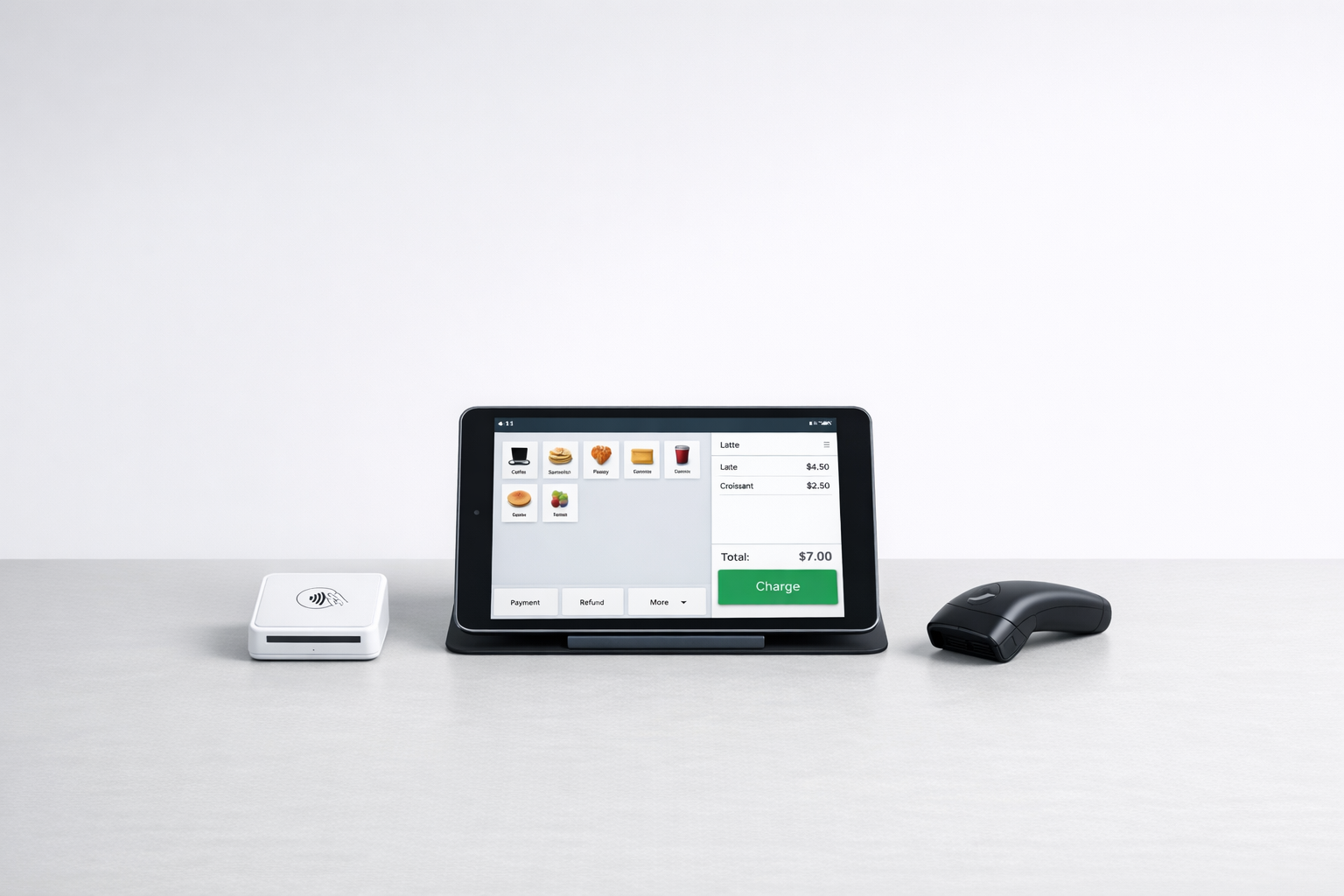
Mobile POS systems are revolutionizing retail by providing flexibility and streamlining processes. Unlike traditional systems that require fixed terminals, mobile POS devices allow transactions to occur anywhere within the store, increasing convenience for customers and reducing wait times. This mobility is particularly beneficial during peak shopping periods, where speed and efficiency are paramount. Retailers adopting these systems often notice improved customer satisfaction due to faster service and personalized interactions.
Another significant advantage is the ability to offer enhanced customer service on the sales floor. Sales associates can use mobile devices to check inventory in real-time, process payments on-the-go, and even access customer purchase history for tailored recommendations. This level of service not only improves customer engagement but also boosts sales. Moreover, mobile POS systems contribute to reducing retail shrinkage by minimizing opportunities for theft and improving transaction accuracy. Ensuring POS system reliability also helps maintain uninterrupted operations, creating a smoother experience and promoting trust.
Reshaping retail operations with mobile technologies
The integration of mobile POS systems is reshaping retail operations significantly. These systems enable retailers to deploy staff more strategically, focusing on customer interactions rather than managing queues at static checkouts. This operational shift leads to more efficient labor use and improved productivity across the board. Additionally, businesses can gather valuable data from transactions processed through these systems, aiding in inventory management and marketing efforts.
Successful implementations of mobile POS systems have been noted across various retail environments, from small boutiques to large department stores. One key advantage is their ability to reduce inventory errors by providing real-time updates and strong inventory management capabilities. This accuracy is crucial for maintaining optimal stock levels and ensuring customer demands are met promptly. As a result, many retailers report a noticeable improvement in inventory accuracy and overall operational efficiency.
What modern POS platforms solve
Modern POS platforms address the inefficiencies of legacy systems by enhancing labor efficiency, ensuring data accuracy, and providing rapid reporting capabilities. These platforms streamline operations, allowing employees to focus on customer service rather than system management. The integration of advanced technologies ensures that data errors are minimized, providing accurate inventory and sales information. High POS system reliability is particularly valuable for retailers who must handle large transaction volumes without slowdown or disruptions.
Rapid POS positioned as modern infrastructure offers solutions that are vital for current retail challenges. These systems provide real-time data access, enabling quick decision-making and improving overall business agility. The reliability of modern POS systems ensures that retailers can maintain high standards of service and operational efficiency, ultimately leading to increased customer satisfaction and loyalty. In many cases, implementing POS software solutions alongside modern POS infrastructure offers an effective way to unify sales channels and reporting processes.
Technological innovations driving mobile POS adoption
The rise of mobile POS systems is closely linked to advancements in technology such as cloud computing and IoT. These innovations have made it easier for retailers to adopt more integrated solutions that provide seamless connectivity between different aspects of their operations. Cloud-based platforms allow for centralized data management, enabling retailers to access information from anywhere at any time, thus enhancing decision-making processes.
Integration with other retail automation tools further enhances the capabilities of mobile POS systems. For instance, combining these systems with automated inventory tracking or customer relationship management software creates a cohesive ecosystem that improves overall business performance. As technological advances continue to emerge, the capabilities of mobile POS systems are expected to expand, offering even greater benefits to retailers who embrace these solutions.
Future developments in retail technology adoption
The future of mobile POS technology looks promising as further innovations are expected to enhance their functionality and reliability. Retailers considering a retail POS upgrade should keep an eye on emerging trends such as AI-driven analytics and enhanced security features that will provide even greater insights and protections against fraud. The continued evolution of retail automation tools will also accelerate data-driven solutions, ensuring retailers remain efficient and customer-focused. The adaptability of these systems means they can be tailored to meet specific business needs, making them an attractive option for diverse retail operations.
As we look ahead, the continued evolution of retail technology will likely see more integration between physical stores and digital platforms. Retailers must stay informed about these developments to remain competitive in an ever-changing market landscape. By understanding the potential impacts of new technologies on their operations, businesses can make informed decisions about adopting solutions that enhance both efficiency and customer satisfaction.
Upgrade before growth stalls
In today’s fast-paced retail environment, the necessity of transitioning to modern POS systems cannot be overstated. Retailers must consider a retail POS upgrade to avoid stagnation in their growth. By embracing advanced POS solutions, businesses can ensure they remain competitive and continue to meet the evolving demands of their customers. The urgency of upgrading is clear: modern systems provide the tools needed to enhance operational efficiency and customer experience, making them indispensable for future success.