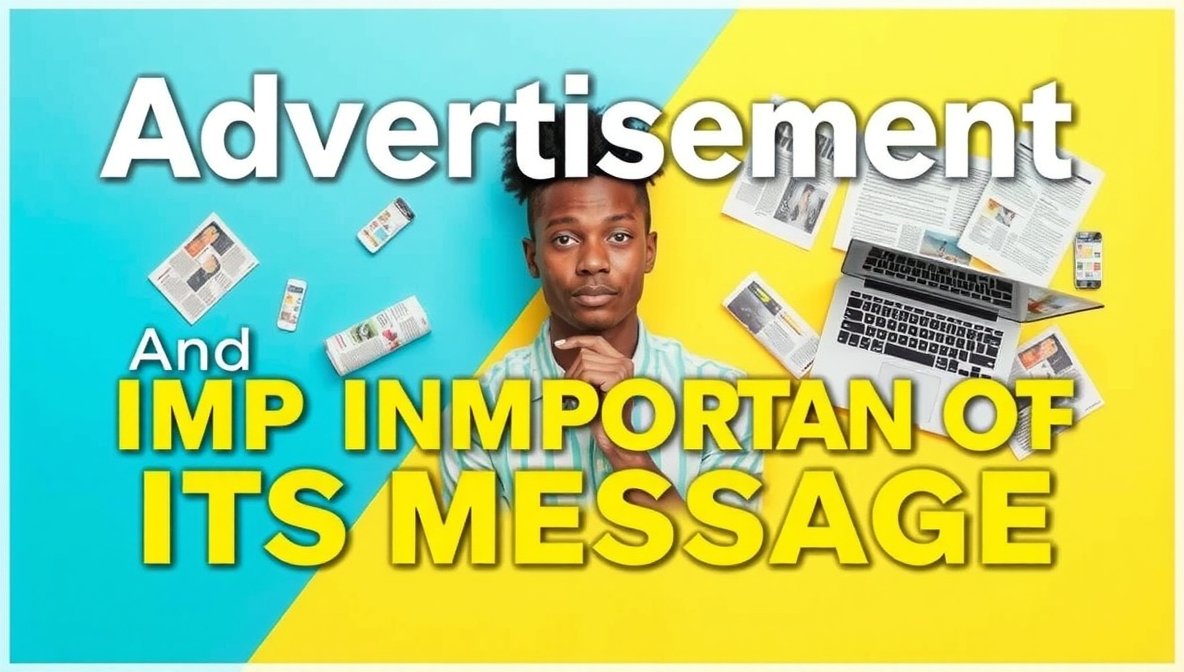
The advertisement serves as a critical bridge to its clientage. The professional advertisement campaign is the key to increasing the sales of a product or a service. Reddit Ads Agency provides the framework for exploring the different markets. Reddit knows different markets and their dynamics. The reason for that is the reach of Reddit. The target audience of Reddit is around the world due to its extensive network.
Why Choose a Professional Ad Agency?
A professional ad agency is necessary for preparing an affective advertisnment message. The advertisement is a complicated work; unprofessional people falter in creating an effective ad message. The advertising agency provides Human Resources. Professional advertisers prepare a well trageted ads for a specific segment of the market.
- Relevant Message Reach: Due to the reach of such a network, it is necessary for organizations to place their ads in such a network. But importance of the relevant message is crucial for an effective advertisement. Target markets vary in their demographics, and this affects their buying behavior.
- Buying Behaviors: The buying behaviors of the target market depend upon the demographics of the market. So the affective advertisnment message is important for improving the sales in a certain marketplace.
Role of the Advertisement:
The advertisement is defined as a paid, non-personal communication for a specific segment of the market. The identified sponsor creates a message that is according to the demographics of a certain market. The advertisement message is the core of any advertisement campaign.
The 3 elements of the advertisement message are:
- Information
- Persuation
- Reminder
The information describes new products and explains their complex features. The price of the products is kept according to the consumer market. Persuasion is the specific action a consumer needs to take to buy a product. Reminders are the awareness campaign during off-peak buying seasons.
Impact on Campaign Success and ROI
The advertisement message directly dictates the success metrics of the entire advertising campaign. The ROI and return on advertisement are critical factors for capturing the market share in a target market. The Reddit ads agency ensures better ROI on your investments due to its extensive data networks across the globe. A brand can expect to reach its break-even point at a certain pace while using the services of such platforms.
- High Engagement: An effective and compelling message ensures higher traffic of consumers. An effective advertisement message increases the overall penetration in a target market. The engagement factor is increased by an effective preparation of an advertisement.
- Higher Click-Through Rates: Better Click-Through Rates (CTR) increase the overall sales of the brand. The deeper engagement of the target market increases the overall market awareness. CTR depends upon watching a video to the end. This increases overall engagement of traget market. The platform algorithms, like Google or Meta, check the CTR of a webpage or its bounce rate.
Take Away:
A professional advertisement normally revolves around its core message. The Reddit Ads Agency increases the reach of a product in a certain market. A professional ad agency increases the overall interaction of an advertisement.