In the world of business, time is money. The ability to optimize resources efficiently can make the difference between success and stagnation. One powerful tool that businesses often overlook is the Resource Time Clock. By tracking and analyzing employee time, businesses can get a clear picture of where their resources are going, allowing them to make informed decisions that drive productivity and profitability. In this blog, we’ll explore how you can use time clock data to streamline your operations, optimize your workforce, and ultimately improve your bottom line.
What is a Resource Time Clock?
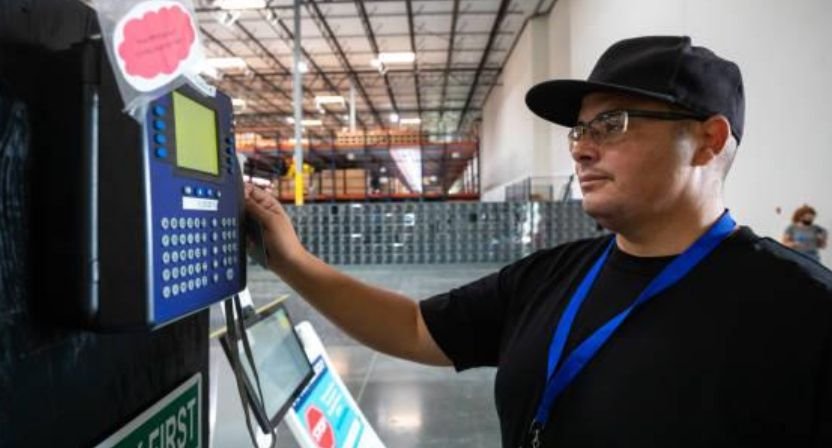
Before diving deep, let’s clarify what a Resource Time Clock is. Essentially, it’s a tool or system that tracks the amount of time employees spend on various tasks or projects. In the past, time tracking was done manually with punch cards or spreadsheets, but today’s modern systems are digital and can integrate with payroll, project management, and performance tracking systems. With a Resource Time Clock, businesses can gain real-time insights into employee activity, understand how time is being spent, and allocate resources more effectively.
How Time Clock Data Helps Optimize Resources
1. Understanding Employee Productivity
One of the primary ways time clock data optimizes resources is by giving managers clear insights into how employees are using their time. You may assume that your team is working efficiently, but the numbers tell a different story. Time clock data can highlight patterns of underperformance or inefficiency. For example, you might discover that employees are spending a disproportionate amount of time on non-productive activities. This data allows you to step in and offer support or restructure tasks to improve efficiency.
By tracking time data over several weeks or months, you can start identifying trends, like peak productivity hours or tasks that consistently take longer than expected. This insight can help you better allocate resources and plan your team’s workload more effectively.
2. Improved Project Management
For businesses working on multiple projects or client accounts, knowing exactly how much time is spent on each task is crucial. A Resource Time Clock allows project managers to keep tabs on how time is allocated across different aspects of a project. It helps answer questions such as:
- How much time did we spend on this task?
- Are we meeting our project deadlines?
- How much overtime is being incurred?
This visibility is key to avoiding cost overruns and delays. If you’re spending more time on a task than anticipated, it could signal a problem—whether it’s inefficiencies, unclear project scopes, or resource shortages. With time clock data, you can adjust your strategy in real-time to stay on track.
3. Better Resource Allocation
One of the greatest benefits of using time clock data is the ability to optimize resource allocation. Are your most skilled employees being utilized to their fullest potential? Or are they spending too much time on mundane tasks that others could handle?
By examining time clock data, managers can identify which employees or teams are overburdened and which ones may be underutilized. This information allows managers to distribute tasks more evenly, assign tasks based on expertise, and ensure that no one is stretched too thin. This helps prevent burnout and ensures that every employee is working within their area of strength.
4. Reducing Labor Costs
Labor is often one of the largest expenses for businesses, and inefficiency in labor usage can drive up costs. With Resource Time Clock data, companies can track not only the total hours worked but also how much of that time is spent on billable tasks versus non-billable tasks. This allows businesses to identify areas where they may be overstaffed or where employees are spending excessive time on non-productive activities. The ability to identify inefficiencies means businesses can make adjustments that reduce unnecessary labor costs.
Furthermore, if employees are consistently clocking in and out late or working overtime, it could indicate a need for better scheduling or workload distribution. Using time clock data helps reduce overtime costs by ensuring that employees are working within their regular hours and that projects are being managed efficiently.
5. Enhancing Employee Accountability
Having a Resource Time Clock in place encourages employees to be more mindful of how they spend their time. Knowing that their time is being tracked can foster a sense of accountability and prompt employees to stay focused on their tasks. While it’s important to build trust with employees, tracking time can also serve as a motivation tool. When employees can see exactly how their time is spent, they’re more likely to make adjustments, avoid distractions, and complete tasks on time.
For managers, time clock data can also act as a reference when evaluating employee performance. If an employee is consistently underperforming, time tracking data offers concrete evidence that can guide a constructive conversation about expectations and performance improvement.
6. Data-Driven Decisions
The data from a Resource Time Clock provides key insights that can be used for strategic decision-making. From budgeting to staffing and workload management, time tracking data gives businesses the information they need to make more informed decisions. When businesses have access to clear, accurate data, they can make adjustments to improve operations in real-time.
For example, if time clock data reveals that certain tasks are taking longer than expected, businesses can either reassess the task itself or look for ways to improve the process. If certain employees are consistently working overtime, it may indicate the need for more staff or a change in workload distribution.
Best Practices for Implementing a Resource Time Clock
Now that we understand the benefits of using time clock data, let’s talk about how to make the most of it. Here are some best practices for implementing a Resource Time Clock effectively:
1. Choose the Right Time Clock System
The first step is choosing the right system for your business. There are many options available, ranging from simple punch-in systems to sophisticated workforce management tools that integrate with payroll, scheduling, and performance tracking software. When selecting a time clock system, consider your business size, budget, and specific needs. The right system should align with your existing workflows and provide you with the data you need without being too complex.
2. Integrate with Other Systems
To maximize the value of time clock data, integrate your Resource Time Clock with other business systems. For example, linking your time clock system with project management software can give you a better understanding of how time is spent on different projects. Integrating with payroll systems can also ensure that employees are paid accurately and on time.
3. Be Transparent with Employees
When introducing a time clock system, be transparent with your employees about why it’s being implemented and how it will benefit both them and the company. Let them know that the goal is not to micromanage but to optimize resources and improve workflow. When employees understand the purpose and benefits, they’re more likely to embrace the system and use it effectively.
4. Review Data Regularly
Simply collecting time clock data isn’t enough. To optimize resources, you need to review the data regularly and use it to inform decision-making. Set aside time each week or month to analyze the data, identify trends, and make adjustments as necessary. Consistent reviews will help you stay on top of inefficiencies and keep your operations running smoothly.
FAQs About Resource Time Clocks
Q1: What is a Resource Time Clock?
A Resource Time Clock is a tool or system that tracks employee work hours, providing detailed data about how time is spent on different tasks or projects. It helps businesses optimize resource allocation, improve productivity, and reduce labor costs.
Q2: How does a time clock help improve productivity?
By tracking how employees spend their time, a time clock system can highlight inefficiencies and areas where employees may be underperforming. This data helps managers make informed decisions to improve productivity, such as reallocating tasks or adjusting workloads.
Q3: Can a Resource Time Clock help with project management?
Yes! A Resource Time Clock provides insights into how much time is spent on specific tasks or projects, allowing project managers to stay on top of deadlines, budget, and resource allocation.
Q4: Is a time clock system suitable for small businesses?
Absolutely. Time clock systems come in various forms, and many are designed specifically for small businesses. Whether you need a basic system or a more sophisticated one, there’s a solution that can fit your needs.
Conclusion
Optimizing resources is a key strategy for running a successful business. With the help of a Resource Time Clock, companies can gather invaluable data that enables them to streamline operations, improve productivity, and reduce costs. By making data-driven decisions based on time clock data, businesses can allocate resources more efficiently and ensure that every hour worked contributes to overall success. Time clock data isn’t just about tracking hours; it’s about making informed decisions that drive growth, enhance accountability, and ultimately lead to a more efficient and profitable business. If you haven’t already embraced the power of time clock data, now is the time to start!