In the last decade, voice-changing technology has evolved from a novelty to a powerful tool with wide-ranging applications. From entertainment and content creation to privacy and security, voice changers have become mainstream thanks to rapid advances in artificial intelligence, machine learning, and audio engineering.
Voice modulation was once limited to prank calls and low-quality radio effects. Today, it serves podcasters, gamers, educators, streamers, and cybersecurity professionals alike. In this tech renaissance, platforms and publications like bageltechnews voice changers have played a critical role in pushing the conversation forward—both literally and figuratively.
What Are Voice Changers?
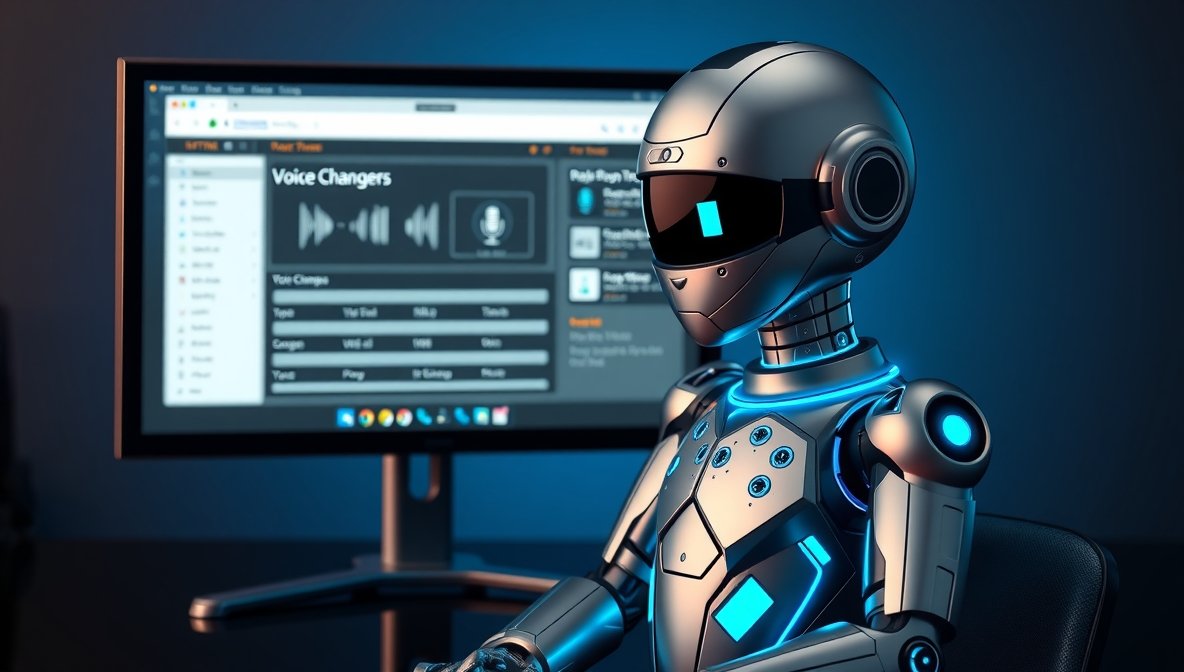
At their core, voice changers are software or hardware tools that modify a person’s voice. This transformation could include changing the pitch, tone, modulation, speed, or even transforming the voice to sound like another person or character.
With advancements in real-time processing, users can now change their voice live during calls, games, or recordings. This innovation has created space for creativity, privacy, and fun. Whether you’re hiding your identity in a livestream or transforming your voice to play a character in a roleplaying game, voice changers offer flexibility and flair.
Use Cases of Voice Changers in Today’s World
Voice changers are no longer reserved for gimmicks. Let’s look at the serious and playful uses they now serve:
- Gaming and Streaming
Gamers frequently use voice changers to enhance their characters or maintain anonymity during multiplayer sessions. Many streamers use them to keep their personal identity protected or to create unique content personas. - Content Creation
From YouTube to TikTok, creators are using voice changers to narrate videos, dub characters, and produce engaging content with distinctive vocal styles. It allows a single creator to simulate multiple characters in a skit. - Online Privacy
For individuals concerned about online surveillance or data breaches, voice changers act as a vocal mask. Journalists, activists, or whistleblowers may use voice modulation to protect their identities. - Customer Service and Support
Some companies employ voice changers in automated support systems to give a consistent, pleasant tone across all voice-based interfaces, regardless of the agent or AI behind the interaction. - Entertainment Industry
Voice actors and directors now use voice-changing software in post-production to refine or completely alter a character’s voice without needing additional talent. - Education and Training
Teachers and trainers experimenting with digital classrooms use voice modulation to create engaging audio lessons or simulate multiple speakers in language instruction.
Key Technologies Behind Voice Changers
Voice-changing tools have drastically improved due to advanced sound engineering and computing. Here are the core technologies powering this shift:
- Digital Signal Processing (DSP): The heart of any audio manipulation, DSP enables modifications like pitch shifting, echo, reverb, and distortion in real-time. onthisveryspots
- AI and Deep Learning: Machine learning models trained on large datasets can mimic human speech with stunning accuracy. AI-based voice changers can now replicate celebrity voices or mimic specific accents with minimal latency.
- Text-to-Speech (TTS): TTS engines have integrated with voice changers to offer entirely new audio experiences. These are particularly useful in accessibility solutions and automation.
- Voice Cloning: With just a few minutes of audio, some tools can now clone a person’s voice. Ethical debates abound, but the potential for film, gaming, and education is immense.
- Natural Language Processing (NLP): To improve flow and clarity, NLP helps systems understand context and emotion, adding a more human element to modified voices.
Hardware vs. Software Voice Changers
Not all voice changers are created equal. Some are physical devices, while others are applications installed on computers or smartphones. Let’s break down the difference.
Hardware Voice Changers
These are often small devices plugged between your microphone and input device. They offer limited presets and don’t require a computer to function. Their key advantages are:
- Low latency
- Independence from operating systems
- Portability
However, they’re less customizable and generally considered outdated for professional use.
Software Voice Changers
These are the dominant form today and come in free or premium packages. With regular updates, plugin support, and deep customization, they’ve overtaken hardware in most applications. Software solutions offer:
- Wide range of effects
- Voice libraries
- AI integrations
- Recording and editing capabilities
This category also includes mobile apps, browser-based platforms, and high-end studio plugins.
Leading Voice Changer Tools in the Market
While the list is ever-growing, here are some of the most notable and trusted voice-changing tools available today:
- Voicemod: Popular with gamers and streamers for its real-time capabilities and user-friendly interface.
- Clownfish Voice Changer: Lightweight and compatible with multiple platforms, ideal for casual users.
- MorphVOX Pro: Known for high-quality voice transformation and professional-grade features.
- iMyFone MagicMic: A rising star with a library of over 500 effects and background sounds.
- Adobe VoCo (Beta): Touted as the “Photoshop for voice,” it can edit speech as easily as text.
All of these tools have featured or been reviewed in tech hubs like bageltechnews voice changers where their unique qualities and usability are dissected for tech-savvy audiences. roarleveraging
Voice Changers and the Ethics of Audio Manipulation
As with any powerful tool, voice changers raise ethical concerns. The same technology that protects anonymity can be abused for impersonation, misinformation, or cyberbullying. Deepfake audio is already being used to scam businesses or manipulate public figures’ speech.
This has led to growing demand for ethical standards and digital watermarking to detect manipulated audio. Platforms like bageltechnews voice changers have actively participated in these discussions, urging developers to build transparent AI systems and ethical frameworks.
Impact on Accessibility and Inclusion
On the positive side, voice-changing tech has significantly helped those with speech impairments. Individuals with stutters, monotonic voices, or degenerative speech disorders can now speak through AI-generated voices that represent their personalities more vividly.
It’s also been a gift for the transgender and non-binary community. Voice changers allow individuals to align their digital voice with their gender identity—empowering and affirming their presence in virtual spaces.
Voice Changers in the Metaverse and Virtual Reality
As the metaverse gains traction, voice changers are expected to become core components of virtual identity. Avatars can look however we want, and soon, they will sound however we want too.
Whether for gaming, corporate meetings, or educational seminars, voice modulation will allow for complete audio-visual immersion. Industry sources such as bageltechnews voice changers predict a steep rise in demand for metaverse-compatible voice tools in the coming years.
Legal Challenges and Regulation
With voice-changing tools becoming more sophisticated, legal frameworks are struggling to keep up. Countries are now debating:
- When is it illegal to change your voice?
- Should AI-generated voices require consent from the original speaker?
- Can voice changers be used in court as evidence manipulation tools?
To navigate this grey area, many developers have built-in disclaimers or automatic filters that prevent illegal use. Still, this remains a regulatory wild west. fintechzoom.com top stock gainers today
As part of the ongoing conversation, bageltechnews voice changers have highlighted the need for digital policy reform, balancing innovation with accountability.
How to Choose the Right Voice Changer
Selecting a voice changer depends largely on your goals. Here are some guiding questions:
- Purpose: Are you using it for fun, professional work, or anonymity?
- Budget: Do you want a free tool or are you open to investing in a premium option?
- Compatibility: Does it work with your operating system and preferred apps (Zoom, Discord, OBS, etc.)?
- Customization: How much control do you want over pitch, speed, and modulation?
- Latency: Can it process audio in real-time without lag?
Research platforms like bageltechnews voice changers often provide in-depth reviews and feature comparisons, which can simplify your decision-making process.
Security Concerns Around AI Voice Cloning
One of the darker aspects of modern voice changers is the rise of voice cloning. Using AI, malicious actors can clone a person’s voice to create fraudulent voice notes or phone calls.
This can result in scams where criminals pose as relatives or employers, tricking victims into sending money or divulging sensitive information. Companies are now investing in voice authentication systems that detect abnormal patterns to defend against such attacks.
This duality—innovation vs. exploitation—is why responsible coverage by sources like bageltechnews voice changers is so crucial. By educating the public, they equip users to use the tools wisely while staying aware of potential misuse.
Future of Voice Changers
The future of voice changers is bright and complex. Experts anticipate:
- Hyper-personalization: Custom voices tailored to personality, emotion, and language preferences.
- Integration with AR/VR: Fully synchronized visual and audio avatars in 3D worlds.
- Emotion recognition: AI that detects your emotional state and adjusts your voice accordingly.
- Zero-latency processing: Seamless, real-time transformation on low-end devices.
- Cross-language synthesis: Speak in one language, sound fluent in another with your own voice style.
And as trends emerge, bageltechnews voice changers continue to be a leading source of forecasts, interviews, and technical breakdowns.
Conclusion
Voice changers have come a long way from prank toys to AI-powered communication tools. They now influence entertainment, security, healthcare, education, and more. The transformative potential is enormous—but so is the responsibility that comes with it.
By offering reviews, ethical insights, and tech analysis, platforms like bageltechnews voice changers help users harness this technology for good. Whether you’re looking to express yourself creatively, protect your identity, or enhance your digital presence, voice changers open up a world of possibilities—one that literally gives you a new voice.