Music has always been a powerful form of expression, capable of connecting cultures, emotions, and generations. In the digital age, the way people create, distribute, and consume music has changed dramatically. Physical media such as CDs and tapes have largely been replaced by digital files, streaming platforms, and online communities dedicated to music discovery. This transformation has opened doors for independent artists, listeners, producers, and critics to interact in ways that were unimaginable just a few decades ago.
With the explosion of online music platforms, artists no longer need massive record labels to reach global audiences. Instead, digital publishing tools and music-focused blogs have become essential for sharing tracks, promoting creativity, and building fan bases. Among these platforms, music uploadblog has emerged as a recognizable concept associated with music sharing, discovery, and community-driven promotion.
The History of Music Distribution
From Physical Media to Digital Files
For much of the twentieth century, music distribution relied on physical formats such as vinyl records, cassette tapes, and compact discs. These formats required manufacturing, shipping, and retail distribution, making music production expensive and often inaccessible to independent artists. Success largely depended on record labels, radio play, and physical sales. uploadblog post
The introduction of digital audio files in the late 1990s marked a turning point. MP3 technology allowed music to be compressed into manageable file sizes, making it easier to store and share. File-sharing platforms quickly gained popularity, disrupting traditional distribution models and forcing the music industry to adapt.
The Rise of Online Music Platforms
As internet access became widespread, legal digital platforms began to emerge. Online music stores and streaming services offered listeners instant access to vast music libraries. At the same time, independent blogs and upload-based platforms started gaining attention for their ability to showcase underground and emerging talent.
Communities centered around platforms like music uploadblog helped bridge the gap between artists and listeners by offering curated content, reviews, and downloadable tracks. These platforms played a crucial role in democratizing music distribution and giving artists creative freedom.
Digital Music Blogs and Their Influence
The Role of Music Blogs
Music blogs have become influential voices in the digital music ecosystem. They serve as tastemakers, introducing audiences to new genres, artists, and sounds. Unlike mainstream media, blogs often focus on niche styles and experimental music, helping diverse voices find recognition.
Many artists owe their early success to exposure on a popular blog. A single featured post can generate thousands of listens, downloads, and social media shares. Platforms inspired by music uploadblog culture emphasize discovery and authenticity, making them appealing to both artists and music enthusiasts.
Community Engagement and Interaction
One of the defining features of modern music blogs is community engagement. Comment sections, forums, and social interactions allow listeners to share opinions, discuss tracks, and connect with artists. This sense of community strengthens the relationship between creators and fans.
Unlike traditional media, where communication is one-sided, digital blogs encourage dialogue. Music uploadblog platforms often thrive because of this interactive environment, where feedback and discussion shape the content.
Independent Artists in the Digital Age
Breaking Free from Traditional Labels
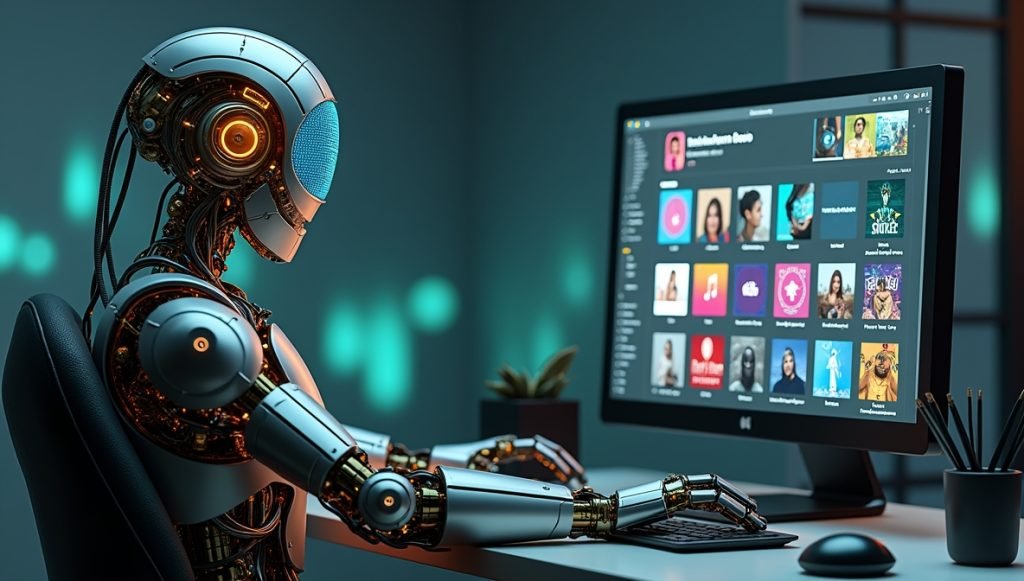
Independent artists today have more control over their careers than ever before. Digital tools allow them to record music at home, distribute it online, and market it through social media and blogs. This independence reduces reliance on major labels and allows artists to maintain creative ownership.
Blogs and upload platforms play a critical role in this process. Being featured on a well-regarded platform associated with music uploadblog culture can provide credibility and exposure without contractual obligations.
Building a Personal Brand
In the digital era, musicians are not just artists—they are brands. Visual identity, storytelling, and consistent online presence are essential for success. Music blogs help artists build their brand by presenting their work within a narrative context, including interviews, reviews, and background stories.
This storytelling aspect helps listeners connect emotionally with the music and the artist, fostering long-term loyalty.
Music Discovery in the Online World
Algorithms vs Human Curation
Streaming platforms rely heavily on algorithms to recommend music based on listening habits. While efficient, algorithmic recommendations can sometimes feel repetitive or limiting. Music blogs offer an alternative through human curation, introducing listeners to unexpected sounds and perspectives.
Platforms influenced by music uploadblog traditions often prioritize editorial judgment, taste, and cultural relevance over pure data. This human touch makes music discovery feel more personal and meaningful.
Exploring Global Sounds
Digital music platforms have erased geographical boundaries. Listeners can now explore music from different cultures, languages, and traditions with ease. Blogs play a vital role in contextualizing these sounds, explaining their origins and significance.
Music uploadblog communities often highlight global artists, contributing to cultural exchange and appreciation across borders.
The Creative Process and Digital Sharing
Recording and Production Accessibility
Advancements in technology have made music production more accessible. Affordable software, digital instruments, and online tutorials allow aspiring musicians to produce high-quality tracks from their homes.
Once a track is complete, sharing it online is almost instantaneous. Upload-based platforms inspired by music uploadblog concepts provide a space for artists to showcase their work without barriers.
Feedback and Artistic Growth
Sharing music online exposes artists to immediate feedback. Comments, reviews, and discussions help musicians refine their craft and understand audience preferences. Constructive criticism can be invaluable for artistic growth.
Blogs and upload platforms create an environment where learning and improvement are ongoing processes rather than isolated events.
Legal and Ethical Considerations
Copyright and Ownership
While digital sharing has many benefits, it also raises legal concerns. Copyright infringement and unauthorized distribution remain significant challenges in the music industry. Artists must understand their rights and protect their work.
Responsible music uploadblog platforms emphasize ethical sharing, encouraging proper attribution and respect for intellectual property.
Supporting Artists Fairly
Another ethical issue is fair compensation. While exposure is valuable, artists also need financial support to sustain their careers. Some platforms balance free access with donation models, merchandise promotion, or premium content.
Educating listeners about supporting artists ethically helps create a healthier music ecosystem.
The Business Side of Music Blogs
Monetization Strategies
Running a music blog requires time, effort, and resources. Many blogs explore monetization through advertising, sponsored content, or partnerships. However, maintaining authenticity is crucial to retain audience trust.
Music uploadblog style platforms often succeed by prioritizing quality content and transparency over aggressive monetization.
Collaboration with Artists and Labels
Collaborations between blogs, artists, and independent labels can be mutually beneficial. Blogs gain exclusive content, while artists receive promotion and visibility. These partnerships must be carefully managed to avoid compromising editorial integrity.
When done right, such collaborations strengthen the music community as a whole.
Challenges Facing Digital Music Platforms
Oversaturation of Content
One of the biggest challenges in the digital music world is oversaturation. Thousands of tracks are uploaded daily, making it difficult for artists to stand out. Music blogs help filter this abundance by highlighting quality and originality.
Platforms rooted in music uploadblog culture focus on curation to combat content overload.
Maintaining Quality and Credibility
As more platforms emerge, maintaining quality becomes increasingly important. Credible blogs invest in knowledgeable editors, clear standards, and consistent posting schedules.
Trust is built over time, and once lost, it is difficult to regain. Successful platforms prioritize long-term credibility over short-term gains.
The Future of Music Blogging
Integration with New Technologies
Emerging technologies such as artificial intelligence, virtual reality, and blockchain are influencing music distribution and promotion. AI can assist with music recommendations, while blockchain offers new possibilities for rights management and fair compensation.
Music uploadblog platforms may evolve by integrating these technologies while preserving their core values of creativity and community.
The Continued Importance of Human Taste
Despite technological advancements, human taste remains irreplaceable. Music is deeply emotional, and personal recommendations often resonate more than automated suggestions.
Blogs that combine technological tools with human insight will continue to thrive in the evolving digital landscape.
The Listener’s Perspective
Building Musical Identity
Music plays a significant role in personal identity. Online platforms allow listeners to explore genres, discover artists, and shape their musical tastes over time. Blogs contribute by offering thoughtful commentary and curated selections.
Music uploadblog environments often feel more intimate, helping listeners form deeper connections with the music they love.
Participation and Contribution
Listeners are no longer passive consumers. They actively participate by sharing tracks, commenting on posts, and even contributing content. This participatory culture strengthens the sense of belonging within music communities.
Such engagement transforms music consumption into a shared cultural experience.
Educational Value of Music Blogs
Learning About Music History and Genres
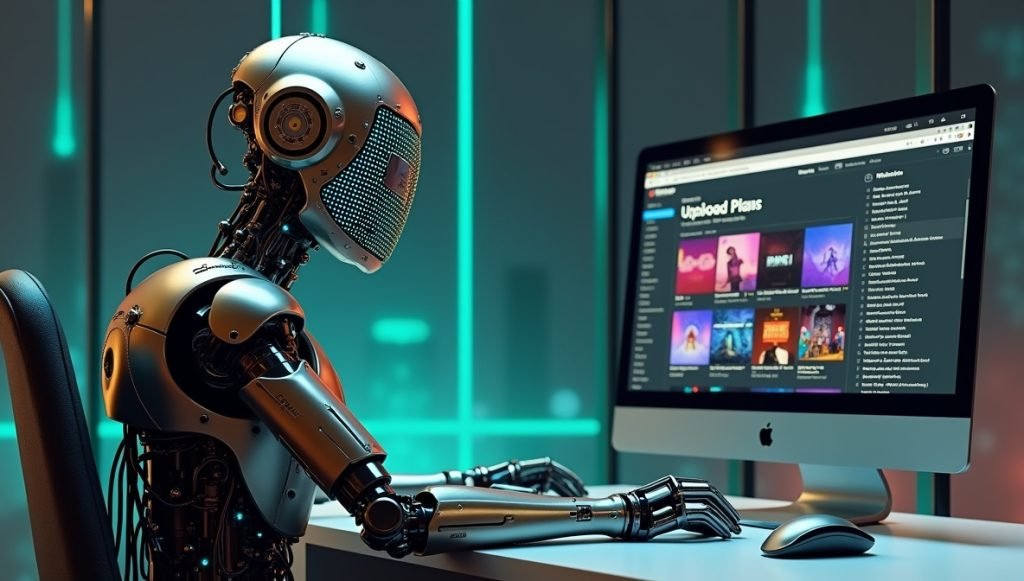
Beyond promotion, music blogs serve an educational purpose. They introduce readers to music history, genre evolution, and cultural contexts. This knowledge enhances appreciation and understanding.
Music uploadblog inspired platforms often balance entertainment with education, making music discovery both enjoyable and informative.
Inspiring the Next Generation of Artists
Reading about artists’ journeys, creative processes, and challenges can inspire aspiring musicians. Blogs provide role models and practical insights that encourage new talent to pursue music.
This inspirational aspect ensures the continued growth of the music community.
FAQs
What is the main purpose of music blogs?
Music blogs promote discovery, provide reviews, and connect artists with listeners through curated content and community interaction.
How do music blogs help independent artists?
They offer exposure, credibility, and feedback without requiring traditional label contracts or large budgets.
Are music upload platforms still relevant today?
Yes, they remain relevant by offering human curation and community-driven discovery alongside streaming services.
How can listeners support artists online?
By sharing music ethically, attending events, purchasing merchandise, and engaging with artists’ content.
What makes a music blog trustworthy?
Consistency, knowledgeable curation, transparency, and respect for artists and audiences build long-term trust.
Conclusion
The digital revolution has reshaped the music industry in profound ways. From independent creation to global distribution, technology has empowered artists and listeners alike. Music blogs and upload-based platforms continue to play a vital role in this ecosystem by fostering discovery, creativity, and community.
Concepts associated with music uploadblog represent more than just sharing tracks—they symbolize a collaborative culture where music is valued as art, expression, and connection. As the industry evolves, these platforms will remain essential spaces for meaningful musical experiences.
By embracing ethical practices, human curation, and technological innovation, the future of digital music blogging looks promising. Whether you are an artist seeking an audience or a listener searching for new sounds, this vibrant ecosystem offers endless opportunities to explore, connect, and grow through music.