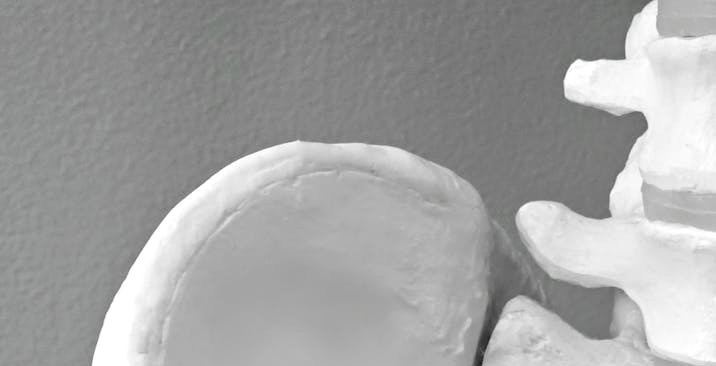
The pelvic floor, though often overlooked, is one of the most essential components of the human body’s support system. Situated at the base of the pelvis, this complex web of muscles, ligaments, and fascia acts like a foundation that stabilizes your core and spine. Every time you move — whether you’re sitting, walking, or lifting something — these muscles engage to help control posture, balance, and pressure within the abdomen.
When the pelvic floor isn’t functioning properly, the balance of the entire musculoskeletal system can be disrupted. The body naturally compensates by overusing other muscles, particularly in the lower back and hips. Over time, this leads to discomfort, tightness, and even chronic pain. The fascinating part is that many people suffering from persistent lower back pain have no idea that their pelvic floor may be the real culprit.
The Interplay Between Core Stability and Pelvic Muscles
Core strength is not limited to visible abdominal muscles. The true “core” is a cylinder made up of the diaphragm at the top, the deep abdominal muscles at the front, the back muscles supporting the spine, and the pelvic floor forming the base. These components must work in precise coordination. When one area weakens or tightens excessively, the others struggle to compensate.
Imagine a drum — if the skin at the bottom becomes loose or overly tense, the entire instrument loses its resonance. The same applies to the human body. A weak pelvic floor fails to provide proper upward support, forcing the back muscles to bear extra weight and strain. Conversely, an overly tight pelvic floor can restrict movement and cause stiffness in the lower spine.
This imbalance is particularly noticeable in people who sit for long hours or perform repetitive lifting tasks. The lack of natural pelvic movement causes stiffness and tension, which radiate upward into the lumbar region.
Recognizing Symptoms That Connect Pelvic Dysfunction and Back Pain
The symptoms of pelvic floor dysfunction are often subtle and can easily be mistaken for unrelated issues. You might experience:
- A dull ache or pressure in the lower back or pelvis
- Urinary leakage during exercise or coughing
- A feeling of heaviness in the pelvic region
- Discomfort when sitting for long periods
- Constipation or difficulty emptying the bladder
When these symptoms appear together with back pain, they often point to an underlying dysfunction in the pelvic floor muscles. It’s also worth noting that emotional stress can exacerbate both issues. When we’re anxious or tense, we tend to clench our pelvic muscles unconsciously — a reflex that tightens the lower back as well.
The Impact of Posture and Breathing on Pelvic Alignment
Posture plays a tremendous role in the connection between the back and pelvic floor. Modern sedentary lifestyles encourage slouching, crossed legs, and forward head posture, all of which misalign the pelvis and compress the lumbar spine. This unnatural positioning increases pressure on the pelvic floor and alters its ability to contract and release properly.
Breathing is another surprisingly powerful factor. Shallow chest breathing limits diaphragm movement, which in turn prevents the pelvic floor from moving in sync. The result is a static, tense core that struggles to absorb everyday stress. Learning to breathe deeply — allowing the ribs and abdomen to expand with each inhalation — encourages both the diaphragm and pelvic floor to coordinate naturally. Over time, this simple practice can ease back tension and restore balance throughout the body.
Common Causes of Pelvic Floor Imbalance Leading to Back Pain
Pelvic floor dysfunction can arise from a variety of causes. Pregnancy and childbirth are among the most common, as they stretch and sometimes injure the supporting muscles. However, it also affects men and women who experience:
- Chronic constipation or straining during bowel movements
- Pelvic or abdominal surgery
- Intense athletic training, especially high-impact activities
- Hormonal changes related to menopause or aging
- Stress-related muscle tension
The key issue in all these cases is muscular imbalance. Some muscles become too tight and others too weak, distorting the pelvis’s neutral position. When the pelvis tilts forward or backward unnaturally, the lower back must overcompensate, which leads to pain, inflammation, and fatigue.
Therapeutic Approaches and Tools for Pelvic Floor Recovery
Modern therapy for pelvic floor dysfunction goes far beyond traditional exercise routines. Physical therapists specializing in pelvic health combine manual therapy, posture retraining, and guided exercises to restore muscular balance. Techniques may include gentle internal release, stretching of the hip and gluteal area, and biofeedback-based relaxation training.
Self-care tools are also increasingly available for home rehabilitation. Products such as electrostimulators, dilators, and massage devices can complement therapy by improving muscle awareness and blood flow. For those seeking trusted, medically tested options, specialized stores like https://www.pelvicare.eu/ offer a wide selection of equipment designed for both women and men dealing with pelvic and urological concerns. Used responsibly under professional supervision, these tools can significantly accelerate recovery and reduce back pain linked to pelvic dysfunction.
Exercise Strategies to Strengthen and Relax the Pelvic Floor
Pelvic floor rehabilitation requires more than just strength — it’s about balance and coordination. Overly aggressive strengthening can be as harmful as doing nothing at all. A balanced routine should include:
- Gentle Kegel exercises performed with proper breathing
- Pelvic tilts and bridges to mobilize the lower spine
- Diaphragmatic breathing to reconnect the core
- Hip-opening stretches to release tightness and improve circulation
- Relaxation techniques to reduce tension in overactive muscles
Consistency is essential. With just a few minutes each day, these exercises can retrain your body to engage the right muscles at the right time. Working with a trained therapist ensures that you perform movements correctly and adapt them to your body’s specific needs.
The Emotional Dimension of Pelvic and Back Pain
The pelvic area is closely tied to emotional well-being. Chronic pain or discomfort can lead to anxiety, fear of movement, and even depression. In turn, these emotions cause further muscle tightening, creating a frustrating cycle. Many patients report feeling disconnected from their bodies, unsure of how to release tension they didn’t even realize they were holding.
Incorporating mindfulness, meditation, or gentle movement practices like yoga can be incredibly effective. By learning to tune into subtle sensations, you can identify when your pelvic floor is tense and consciously let it relax. Over time, this awareness helps rebuild trust in your body and restores confidence in movement.
When to Seek Professional Evaluation
If your lower back pain persists despite exercise or rest, and especially if it’s accompanied by pelvic symptoms, a professional assessment is essential. A pelvic floor physiotherapist can identify muscle imbalances that may not be visible through standard orthopedic examinations. Early diagnosis makes recovery smoother and prevents chronic patterns from setting in.
The connection between pelvic health and spinal stability is undeniable. Recognizing and addressing it not only alleviates pain but also improves posture, movement efficiency, and overall comfort. Understanding this link empowers individuals to take control of their well-being — from the deepest layers of the body outward.